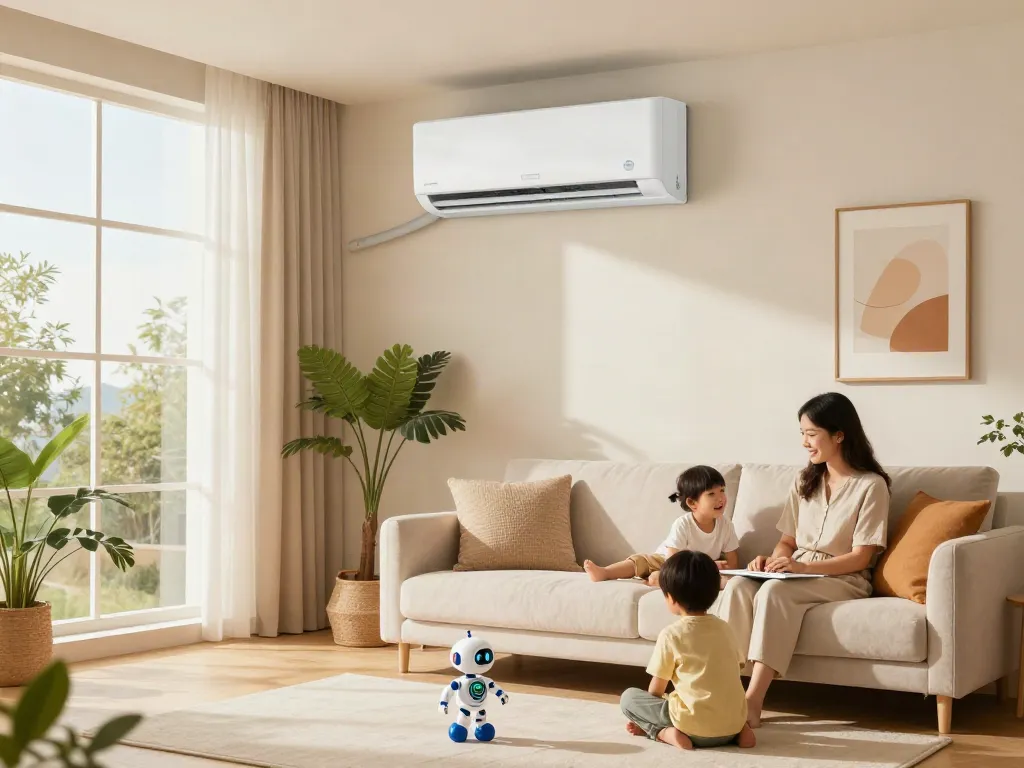
Understanding Ductless AC: What It Is and How It Works
Ductless AC systems have gained popularity in recent years due to their flexibility, efficiency, and ease of installation. As homeowners seek effective cooling solutions that can adapt to various spaces, ductless air conditioning systems have become a favored alternative to traditional HVAC systems. These systems are especially beneficial for homes without existing ductwork, offering both heating and cooling capabilities while providing significant energy savings. In this article, we will explore what ductless AC systems are, how they compare to conventional systems, their key components, and their numerous benefits, ultimately providing valuable insights for those considering a switch to this innovative technology. When exploring options, ductless ac provides comprehensive insights that can make your decision-making process easier.
What is a Ductless AC System?
A ductless AC system, often referred to as a mini-split system, consists of two main components: an outdoor unit and one or more indoor units. The outdoor unit houses the compressor and condenser, while the indoor units contain the evaporator coils and are typically mounted on walls or ceilings. These systems operate through a refrigeration cycle, transferring heat from inside the home to the outside environment in cooling mode, and vice versa for heating mode. The lack of ductwork is what sets ductless systems apart, making them ideal for retrofitting in older homes or supplementing existing heating and cooling systems.
How Does Ductless AC Compare to Traditional Systems?
Traditional HVAC systems often rely on centralized air ducts to distribute conditioned air throughout a home. This method can lead to inefficiencies, especially in older homes where ducts may be leaky or poorly insulated. In contrast, ductless AC units have a higher efficiency rating because they do not lose energy through ducts. Additionally, they allow for zoning capabilities; each indoor unit can be controlled independently, meaning homeowners can cool or heat only the rooms being used, which can lead to significant cost savings on energy bills.
Key Components of a Ductless AC System
- Outdoor Unit: The outdoor unit contains the compressor and condenser, which are responsible for circulating refrigerant through the system.
- Indoor Unit: Each indoor unit holds the evaporator coils and has a fan to blow conditioned air into the living space.
- Thermostat: Some systems come with separate thermostats for each indoor unit, allowing for precise temperature control in each zone.
- Refrigerant Lines: These lines connect the outdoor unit to the indoor units, allowing refrigerant to flow between them efficiently.
- Drain Line: This line carries condensation away from the indoor unit to prevent moisture buildup.
Benefits of Ductless AC Systems
Energy Efficiency and Cost Savings
One of the standout advantages of ductless AC systems is their energy efficiency. Without the energy losses associated with ductwork, these systems can use up to 30% less energy than traditional central air systems. This efficiency translates into lower utility bills, which can be especially beneficial during peak summer months. Furthermore, many modern ductless systems come equipped with inverter technology, allowing them to adjust the compressor speed according to the cooling or heating demand. This means that instead of constantly turning on and off, which can waste energy, the system runs at a lower speed to maintain desired temperatures.
Flexible Installation Options
Ductless systems offer unparalleled flexibility in installation. Because they don’t require ductwork, they can be installed in a variety of spaces, including homes with no existing HVAC systems, room additions, and even commercial spaces. The installation process involves minimal disruption, with small holes drilled for the refrigerant lines. Homeowners can choose between wall-mounted units, ceiling cassettes, or floor-standing units based on their aesthetic preferences and space considerations.
Improved Indoor Air Quality
Since ductless systems do not use ducts, they reduce the potential for dust, pollen, and other allergens to circulate through the home. Traditional ducted systems often need regular cleaning to prevent the buildup of debris, which can affect indoor air quality. Additionally, many ductless AC systems come with advanced filtration options that can further purify the air, capturing even smaller particles that could impact health.
Common Misconceptions About Ductless AC
Are Ductless AC Systems Noisier?
One common myth about ductless AC systems is that they are noisy. In reality, ductless units run much quieter than traditional systems. The outdoor unit is designed to operate with low noise levels, often comparable to that of a refrigerator. Indoor units can vary in noise levels, but manufacturers are continually improving designs to ensure many operate at whisper-quiet levels, enhancing overall comfort within the home.
Can Ductless Systems Really Cool Large Spaces?
Another misconception is that ductless systems are only suitable for small spaces. While it’s true that individual indoor units typically serve a single room or zone, multiple indoor units can be installed to cover larger areas effectively. In fact, many systems allow for several indoor units to be connected to one outdoor unit, allowing for efficient cooling and heating across extensive spaces.
Maintenance Myths Debunked
Some homeowners may believe that ductless systems require extensive maintenance. In reality, these systems are relatively low-maintenance. Regular cleaning of the air filters and periodic inspections of the outdoor unit are generally all that is necessary to keep the system running efficiently. Additionally, many manufacturers offer warranties that cover parts and labor for several years, providing peace of mind.
Choosing the Right Ductless AC for Your Needs
Factors to Consider During Your Purchase
When selecting a ductless AC system, several factors should be taken into account:
- Size: Proper sizing is crucial for efficiency and comfort. An oversized unit can lead to short cycling, while an undersized unit may struggle to maintain temperature.
- SEER Rating: The Seasonal Energy Efficiency Ratio (SEER) indicates the efficiency of the system. Higher SEER ratings generally indicate better efficiency and lower operating costs.
- Installation Type: Consider the aesthetic preferences and available space when choosing between wall-mounted, floor-mounted, or ceiling cassette units.
- Brand Reputation: Research various brands to determine which models are known for reliability, efficiency, and customer service.
Comparing Popular Brands and Models
Several manufacturers dominate the ductless AC market, including Mitsubishi, Daikin, Fujitsu, and LG. Each brand has its unique features, price points, and efficiency ratings. It's essential to compare models within these brands based on your specific needs, such as zone control options, installed features, and warranty terms. Customer reviews can also provide valuable insights into the performance and reliability of various units.
Installation Process: DIY vs. Professional Help
While some homeowners may contemplate a DIY installation for ductless systems, it is generally recommended to hire a qualified HVAC professional. Proper installation is crucial for optimal performance and longevity. Professionals can ensure that the unit is correctly sized, installed in the ideal location, and that refrigerant lines are sealed correctly to prevent leaks. Additionally, some manufacturers require professional installation to uphold warranty coverage.
The Future of Ductless AC: Trends to Watch for in 2026
Innovations in Ductless AC Technology
The industry is witnessing continuous advancements in ductless AC technology. Manufacturers are developing models with enhanced energy-saving features, such as variable-speed compressors, improved heat pump designs, and better filtration systems. As the focus on energy efficiency intensifies, we can expect ductless systems to further evolve, offering both comfort and sustainability.
Smart Features and Home Integration
Home automation is becoming more prevalent, and ductless AC systems are no exception. Many modern units now come equipped with smart features that allow homeowners to control their systems remotely via smartphone apps or integration with home automation systems. This technological synergy enhances energy management by enabling users to adjust settings while away from home, ensuring comfort when they return.
Sustainability and Environmental Impact
As society increasingly prioritizes sustainability, ductless systems are positioned as an eco-friendly option. Many units utilize refrigerants with lower global warming potential (GWP), and by reducing energy consumption, they help decrease overall carbon footprints. The advancement of renewable energy sources, such as solar power, in tandem with ductless system efficiency, offers promise for greener homes in the future.
What Size Ductless AC Do I Need?
To determine the correct size ductless AC unit for your space, professional load calculations are often the best route. Factors such as square footage, insulation levels, window sizes, and even local climate considerations can all influence the appropriate size. A general rule of thumb is that each ton of cooling capacity can handle approximately 600 to 1,000 square feet, but this can vary widely based on individual circumstances.
Are Ductless Systems Suitable for Older Homes?
Ductless systems are particularly advantageous for older homes that lack ductwork. They provide an excellent solution for retrofitting and can be installed without extensive renovations. Homeowners can enjoy the benefits of modern cooling and heating technologies without the need for costly duct installation, making ductless systems an appealing choice for historic or character homes.
What Are the Installation Costs for Ductless AC?
The costs associated with ductless AC installation can vary based on several factors, including the number of indoor units needed, the complexity of the installation, and local labor rates. On average, homeowners can expect to pay between $3,000 to $5,000 for a complete installation. It's wise to obtain quotes from multiple contractors and inquire about warranties and maintenance packages that might be available.
How Do Ductless AC Systems Compare to Other Cooling Options?
When compared to other cooling options such as window units or portable air conditioners, ductless systems generally provide superior efficiency and performance. While window units are inexpensive and easy to install, they often struggle to maintain comfortable temperatures in larger spaces and can lead to higher energy bills due to inefficiencies. In contrast, ductless systems offer a more permanent solution that can enhance the value of a home while providing consistent comfort.
What Maintenance Is Required for Ductless AC Units?
Maintaining a ductless AC system is relatively simple. Homeowners should regularly clean or replace air filters as often as once a month, depending on usage and local air quality. Seasonal check-ups from a professional can help ensure optimal performance. Keeping the outdoor unit clear of debris, such as leaves and grass, is also essential for efficient operation.
How Long Do Ductless AC Systems Last?
With proper maintenance and care, ductless AC systems can last between 15 to 20 years. Regular servicing can extend the lifespan of the units, ensuring they operate efficiently and effectively throughout their life. Homeowners should also consider investing in quality models from reputable brands to maximize durability.